

To add value in the investment world,
a strong personality is required to avoid momentum-driven decisions and herd behaviour.
When we see a clear opportunity,
with or without momentum, we act decisively.
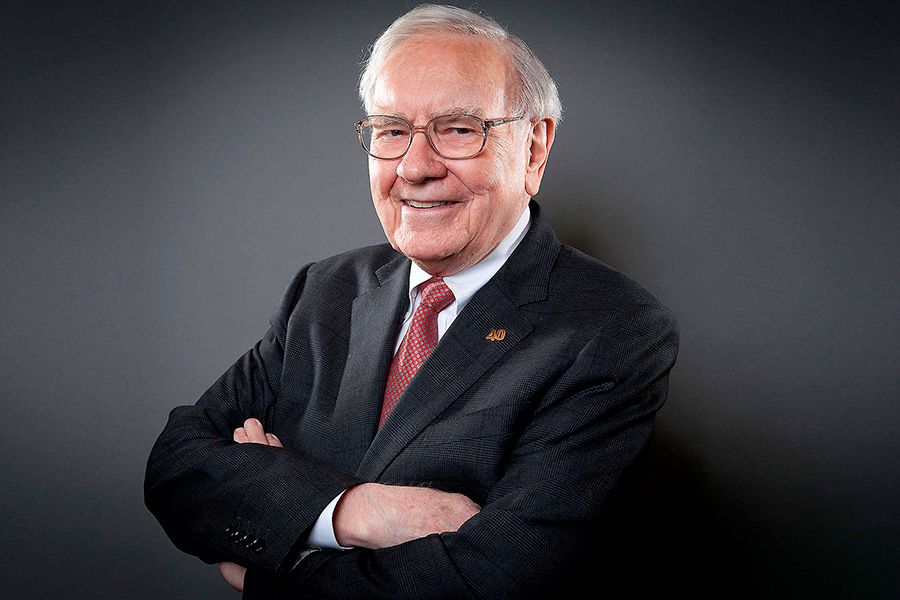

Warren Buffett
“Rule No. 1: Never lose money. Rule No. 2: Never forget Rule No. 1.”
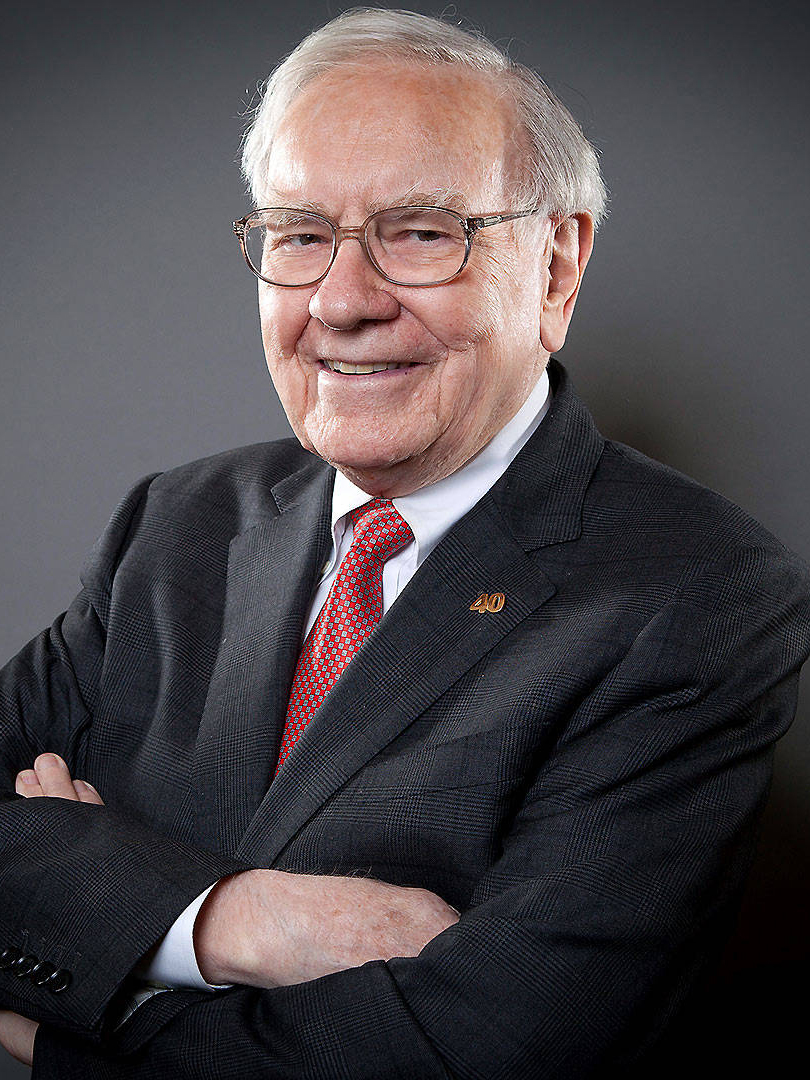
Warren Buffett is widely regarded as the world’s most successful value investor. As Chairman and CEO of Berkshire Hathaway, he has built a multi-hundred-billion-dollar conglomerate by consistently investing in high-quality businesses with durable competitive advantages, strong management, and the ability to generate long-term cash flows.
Strongly influenced by his teacher and mentor Benjamin Graham, Buffett refined traditional value investing by emphasizing business quality, economic moats, and long-term compounding rather than simply buying statistically cheap stocks. His disciplined approach focuses on capital preservation, rational decision-making, and investing within a clearly defined circle of competence.
Over several decades, Buffett has delivered exceptional long-term returns, making him an enduring reference for investors worldwide and a leading advocate of patient, fundamentals-driven investing. Reading through his annual letters to shareholders is an unmatched way of learning how to invest. At SIA AM we found a great book which sums most of his lessons about value investing: The Essays of Warren Buffett: Lessons for Corporate America by Lawrence A. Cunningham.
Warren Buffett is possibly SIA AM top reference regarding value investing and our strategy has possibly been heavily influenced by him. As Buffett, we also started being a traditional value investor but through the years we have implemented 2 pillars which now define our investment philosophy even more than value investing: first is quality or strategic positioning which goes back to Buffets’ moat concept, and second is risk management under which we structure our portfolios.
When Warren Buffett was once asked how he decides whether to invest in a company, he replied “I try to buy stock in businesses that are so wonderful that an idiot can run them. Because sooner or later, one will.” And he told a story about buying See’s Candies in the early 1970s. At the time, the company didn’t have great growth projections or a cutting-edge technology. What it did have was something Buffett loved: customers who were irrationally loyal and willing to pay more every year. He admitted that when he first looked at See’s, his younger, more “spreadsheet-obsessed” self would have rejected it because the numbers didn’t look cheap enough.
But he realized something crucial:
- People bought See’s chocolates out of emotion
- Price increases barely affected demand
- The brand did the heavy lifting, not management brilliance
So, he bought it. Decades later, See’s Candies had generated many times its purchase price in cash, with minimal reinvestment. Buffett joked that he’d learned an important lesson: “See’s taught me that it’s better to buy a wonderful company at a fair price than a fair company at a wonderful price.”
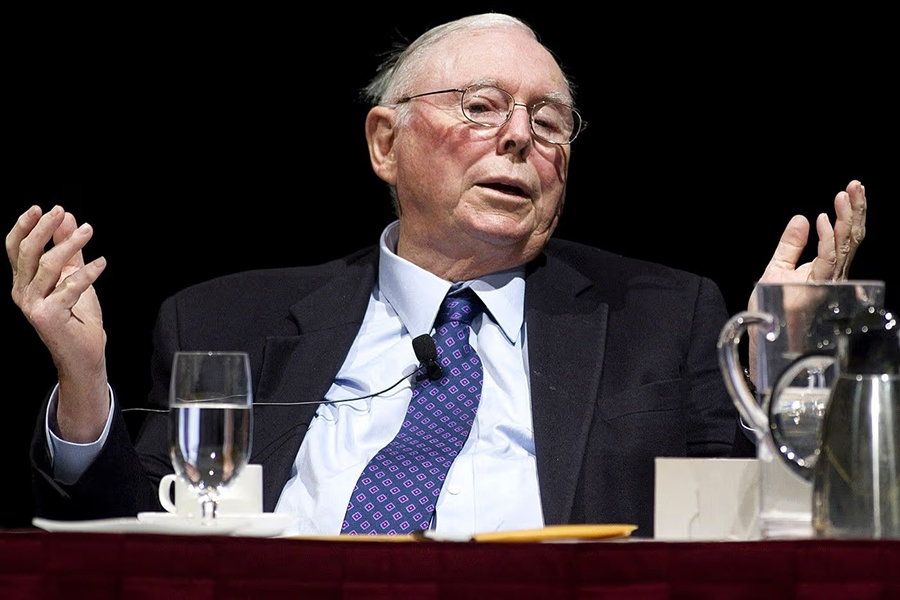
Charlie Munger
“We have a term in investing: ‘sit on your ass.’ ”
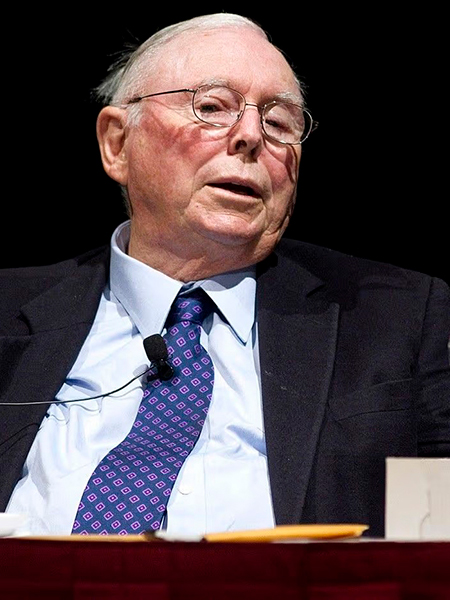
Charlie Munger (1924–2023) was one of the most influential investors and thinkers in modern finance, best known as the long-time Vice Chairman of Berkshire Hathaway and the intellectual partner of Warren Buffett. He played a decisive role in shaping Warren Buffett and Berkshire’s evolution from a traditional value-investing approach toward the acquisition of high-quality businesses at fair prices, emphasizing long-term compounding over short-term market opportunities.
Munger was renowned for his exceptional analytical rigor, rational temperament, and ability to identify durable competitive advantages, or economic moats. He championed a multidisciplinary approach to investing, drawing insights from psychology, mathematics, history, and business to avoid cognitive biases and improve decision-making. His insistence on patience, simplicity, and investing within a strict circle of competence became core principles of Berkshire Hathaway’s success. We recommend a great book: Poor Charlie´s Almanack by Peter D. Kaufman which is a collection of Munger ideas.
Through his emphasis on sound judgment, capital discipline, and ethical business leadership, Charlie Munger left a lasting legacy as one of the most respected investors and teachers of long-term, value-driven investing. At SIA AM, we have a deep admiration of Charlie his contribution to the value school. In our view Charlie can be considered the pioneer of our own investment philosophy which we call Strategic Value.
During the late 1990s dot-com bubble, Berkshire Hathaway was being relentlessly criticized for not investing in hot internet stocks. At a shareholder meeting, someone challenged Warren Buffett and Charlie Munger, suggesting they were out of touch and missing the future.
Buffett gave a measured response. Then Munger leaned into the microphone and said, deadpan: “I have a long-standing rule: I never invest in anything I don’t understand. And frankly, I don’t know anyone who understands these businesses well enough to justify these prices”. A few years later, when the dot-com bubble collapsed and trillions of dollars evaporated, Munger was asked whether it had been hard to sit out such a booming market. He replied: “It’s not supposed to be easy. Anyone who finds it easy is stupid.”
Through this anecdote we can see through 3 core concepts of value investing:
- Circle of competence: He refused to invest outside what he truly understood
- Emotional discipline: He ignored social pressure, ridicule, and FOMO.
- Price matters: He wasn’t saying the internet was useless — just that the prices were insane.
Munger later said “avoiding bad investments was far more important than finding brilliant ones” and this anecdote is a perfect example of that philosophy in action.
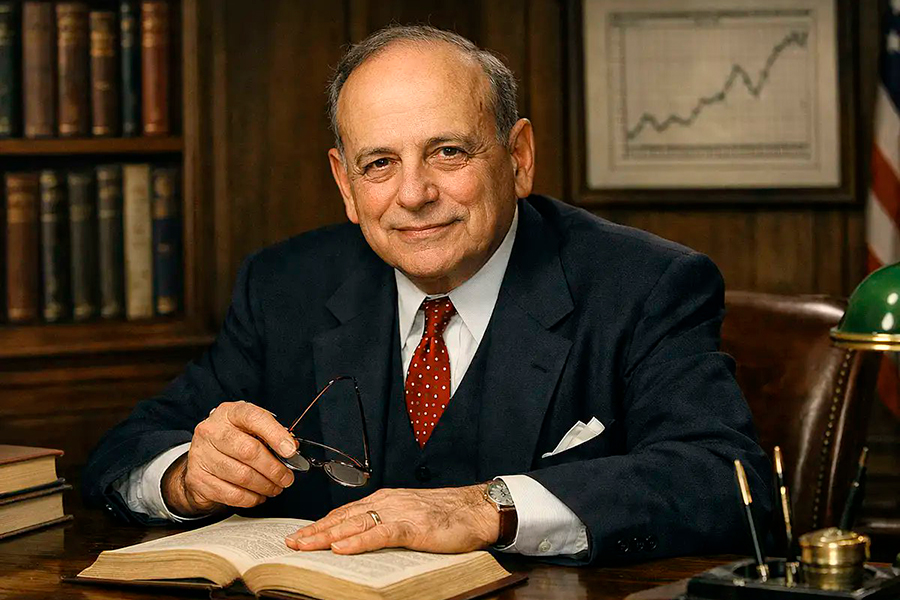
Benjamin Graham
“The essence of investment management is the management of risks, not the management of returns.”
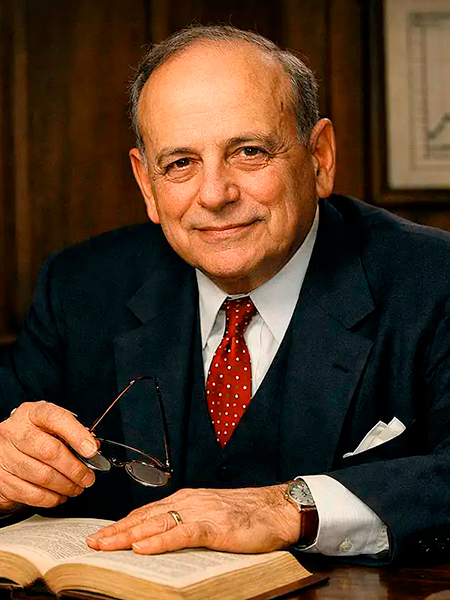 Benjamin Graham (1894–1976) is widely regarded as the father of value investing and one of the most influential investment thinkers in history. As a professor at Columbia Business School and a pioneering investor, he developed a disciplined, analytical approach to investing grounded in fundamental analysis, financial prudence, and risk control.
Graham emphasized the importance of intrinsic value, margin of safety, and the distinction between investment and speculation. His method focused on purchasing securities at prices well below their intrinsic or underlying value, thereby protecting capital while allowing for attractive long-term returns. He also introduced the famous concept of “Mr. Market”, illustrating the emotional and often irrational behavior of markets and the opportunity it creates for disciplined investors. He greatly distilled this concept by saying: “The intelligent investor is a realist who sells to optimists and buys from pessimists.”
Through his seminal works, Security Analysis and The Intelligent Investor, Graham profoundly shaped generations of investors, including Warren Buffett, and established the core principles of capital preservation, rational decision-making, and long-term value creation that continue to underpin successful investing today. Graham in one of its most relevant quotes said: “In the short run, the market is a voting machine but in the long run, it is a weighing machine.”
Alongside his financial legacy, Benjamin Graham had a rich and complex personal life that is often less well known. Graham had a deep passion for art, literature, and intellectual pursuits beyond finance. He appreciated classical culture, languages, and creative expression, reflecting a broadly humanistic outlook. This artistic sensitivity complemented his analytical rigor and contributed to his belief that investing required not only mathematics, but also judgment, temperament, and self-awareness.
He was also known to have a complicated and unconventional private life, particularly in his relationships with women. Graham maintained multiple romantic relationships alongside his marriage, a fact acknowledged in biographies and memoirs. While this aspect of his life was controversial and sometimes conflicted with prevailing social norms, it illustrated his intensely personal pursuit of independence and fulfillment outside his professional work.
These dimensions of Graham’s character, his love of art and his unconventional personal relationships, highlight the contrast between his disciplined, rational investment philosophy and a more free-spirited private life, underscoring the complexity of the man behind the foundational principles of value investing.
Howard Marks
“You can’t predict, but you can prepare.”

Howard Marks is a highly respected investor and co-founder and Co-Chairman of Oaktree Capital Management, one of the world’s leading alternative investment firms.
He is best known for his deep expertise in credit markets, distressed debt, and high yield investing, as well as for his exceptional ability to assess and manage investment risk. His great book The Most Important Thing: Uncommon Sense for the Thoughtful Investor is a fantastic tool for those seeking to learn about market psychology, second derivative thinking and risk management.
Marks emphasizes that risk control, rather than return maximization, is the foundation of successful investing. His approach focuses on understanding market cycles, investor psychology, and the role of second-level thinking—the ability to think differently and more deeply than the consensus. He advocates buying assets when they are out of favor and avoiding excesses during periods of euphoria. His famous quote “The biggest investing errors come not from factors that are informational or analytical, but from those that are psychological” sums up the great importance of market psychology in succesful investing.
Through decades of disciplined investing and his widely read investment memos, Howard Marks has become a leading authority on cycle awareness, capital preservation, and contrarian value investing, influencing professional investors around the world.
At SIA AM, we closely follow Howard Marks’s memos, which we carefully read and archive. Each one provides a valuable summary and a timely reminder of key investment principles developed and refined across multiple investment cycles.
Howard Marks’s insights on risk have been instrumental in shaping SIA AM’s proprietary approach to portfolio construction. This framework, known as RAS (“Risk Adjusted Strategy”), assigns differentiated risk categories to sectors and individual companies. By placing risk control and risk management at the core of the portfolio construction process, RAS ensures that risk considerations are central to our capital protection and decent return targets.
Howard Marks once told the story of making a very successful investment early in his career. The investment worked beautifully, the price went up, the thesis looked right, and people congratulated him on his brilliance. But instead of celebrating, Marks went back and analyzed why it had worked. He realized something uncomfortable: “My reasoning had been mostly wrong. The investment succeeded due to factors he hadn’t anticipated at all”.
He joked that this was one of the most valuable lessons of his career, because it taught him that being right doesn’t mean you’re skilled, it might just mean the market bailed you out. Years later, when investors praised him for a great call, he’d often say with a grin: “The real question isn’t ‘Was I right?’, it’s ‘Was I right for the right reasons?’”
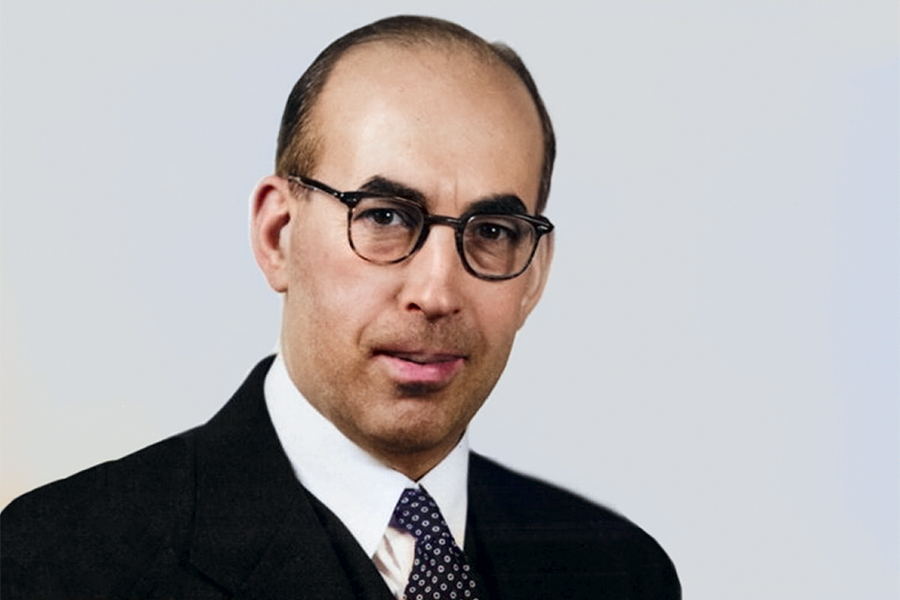
Philip Fisher
“The stock market is filled with individuals who know the price of everything, but the value of nothing.”
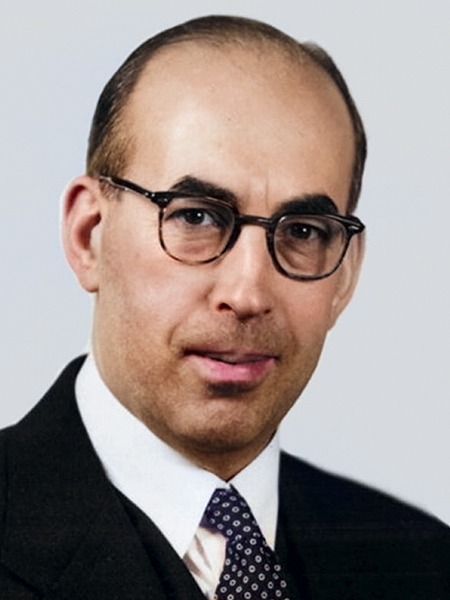
Philip Fisher (1907–2004) was a pioneering American investor and author, widely regarded as one of the most influential figures in the field of growth investing. His investment philosophy, outlined in his seminal book Common Stocks and Uncommon Profits, emphasized the importance of investing in high-quality companies with strong growth potential, particularly those with excellent management and innovative capabilities.
Fisher’s approach focused on long-term capital appreciation, emphasizing the qualitative aspects of companies, such as their management quality, competitive advantages, and the ability to innovate, rather than just quantitative metrics. He is known for his in-depth research methodology, including his famous 15 points to evaluate a company, which covered aspects from corporate strategy to management integrity.
Fisher’s work influenced generations of investors, including Warren Buffett, who blended Fisher’s focus on high-quality growth companies with Benjamin Graham’s value-oriented principles. Fisher’s legacy continues to guide investors in identifying businesses with sustainable competitive advantages and the potential for exceptional long-term growth. On this respect Fisher said, “If you have bought a good stock, and it is doing well, why sell it?” showing 3 key investment concepts: patience, long term and the effect of compounding. On selling he added: “The time to sell is when the reason you bought the stock no longer exists.”
At SIA AM, we have developed our investment philosophy over more than two decades, learning from our experiences (and mistakes) across multiple economic cycles, which we continually strive to avoid repeating. We call this philosophy “Strategic Value,” an approach that is somewhat aligned with Philip Fisher’s concept of investing in high-quality companies.
Philip Fisher was famous for doing deep, on-the-ground research long before it was fashionable. He believed the best way to understand a company was not from glossy reports, but from “talking to everyone around it “ ie. suppliers, customers, competitors, former employees.
One day, Fisher arranged a meeting with the management of a promising company he was researching. He came prepared with a long list of thoughtful questions about culture, innovation, and long-term strategy. The meeting went terribly. Management was evasive, vague, and clearly uncomfortable.
Afterward, a colleague asked Fisher: “Well, that was a waste of time, wasn’t it?” Fisher said: “On the contrary. I learned exactly what I needed to know.” He never invested. At SIA AM, we also firmly believe in the importance of developing a comprehensive, 360º understanding of each business, as well as engaging with and evaluating management teams.


